Commercial Waste Removal in Camden Town
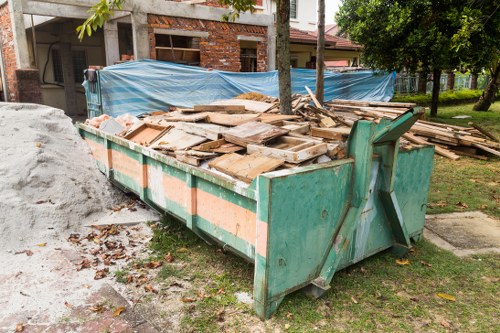
Commercial waste removal in Camden Town needs a practical, dependable approach that suits busy premises, shared buildings and changing schedules. We provide a focused service for businesses that need unwanted materials taken away in an orderly way, with attention to sorting, access and disposal route. That can include office clear-outs, retail surplus, packaging, fixtures and other day-to-day commercial rubbish that should not be left to pile up on site.
The aim is straightforward: keep your premises usable while waste is handled in a tidy, lawful and efficient manner. If you are arranging an office clearance, dealing with stockroom clutter or moving out of a workspace, it helps to know which items need removal, which can be separated for recycling and what level of access is available. Use this page to understand the main service, then make a clear enquiry when you are ready.
Tell us what needs clearing and we can help shape a suitable collection. If the waste is mixed, bulky or spread across more than one room, a brief description is useful before the visit. For a straightforward start, you can request a quotation once you have a list of the main items and the location within the property.
Business Waste Collections for Everyday Premises
Commercial premises generate waste in different ways, so the service needs to be flexible enough for regular office rubbish, one-off clearances and ad hoc items that appear after reorganisation or refurbishment. We work with general business waste that has a clear disposal route and can be removed without disrupting your working day more than necessary. Typical loads may include cardboard, paper, packaging, display materials, broken furniture and mixed non-hazardous rubbish from stores, studios and workspaces.
It is often useful to separate items before collection, but that does not mean you must do the heavy lifting yourself. The practical point is to identify what is there, whether any of it should stay on site and whether certain pieces need careful handling because of size, shape or weight. Clear lists save time, yet a short walk-through is usually enough to establish the main work. If you already know the bulk of the waste, you can ask for a quotation in plain terms and keep the next step simple.
What a commercial collection can cover
- Office bagged waste, file clear-outs and mixed paper-based rubbish
- Shop fittings, shelving, display items and back-of-house clutter
- Bulky items such as desks, chairs and storage units
- Packaging, stockroom overfill and surplus materials after deliveries
Office Clearances and Workspace Tidying

Office waste removal is usually about more than emptying a bin store. Workspaces tend to accumulate redundant furniture, obsolete IT items, archived paper and loose fittings that need to be removed in a methodical order. A sensible clearance plan makes room for repurposing desks, preparing a move or restoring an office after staff changes. The work can be adapted to a partial clearance or a fuller emptying, depending on what the premises need at the time.
Where offices are shared, occupied or on upper floors, access matters as much as the volume of waste. Lifts, stairways, loading points and permitted collection windows all affect how the job is carried out. Keep only what is required, identify anything fragile or awkward, and make sure decision-makers know what should stay. For a practical next step, prepare a simple item list and use it when you request a quotation. That keeps the discussion focused on the actual work rather than guesswork.
Office clearances can also include a degree of sorting on site. Paper, reusable office furniture and mixed rubbish often move through different disposal channels, so separating them where possible can improve the process. If your office is being reorganised rather than emptied completely, we can concentrate on specific areas such as storage rooms, meeting spaces, reception furniture or surplus stock cupboards. The service is meant to support the working environment, not create extra disruption.
Furniture, Fixtures and Bulky Item Removal
Businesses often need help with heavier or awkward items that are no longer useful but are not easy to move internally. Desks, chairs, cabinets, counters, reception units and similar furniture can become part of a clearance when a layout changes or a room is being handed back. Removing these items carefully protects walls, stairwells and shared areas, and it avoids leaving large objects stacked where they block access or present a trip hazard.
Bulky-item work also suits situations where a small number of pieces need to go without a full premises clearance. That may include a single suite of office furniture, a set of shop fittings or redundant storage units from a back room. If there are narrow corridors, restricted loading points or items that need to be dismantled before removal, it is best to mention that early. A clear description helps establish the scope and supports a more accurate quotation.
For items with mixed materials, disposal decisions should be practical and careful. Some furniture contains wood, metal, fabric and fixings that can be separated, while other items are better handled as a complete unit. The right approach depends on condition, weight and how the item will be moved. Keep the description honest and specific, especially where anything is heavy, broken or fixed in place, because that helps the collection go ahead without avoidable delays.
Why Commercial Clients Use a Managed Clearance Service
Many commercial customers need a service that is more organised than a simple drop-off and more adaptable than a rigid collection slot. Managed removal is useful where waste is spread across several rooms, where different types of material must be separated, or where business operations still need to continue around the work. The emphasis is on planning the collection around the property rather than forcing the property to fit an inflexible routine.
For owners, managers and tenants, the main benefit is clarity. You know what is going, what can remain, and what needs to be identified before the work starts. That may involve office waste, furniture, stockroom clutter or a mix of items left after a refit. If there are several categories involved, it is often sensible to outline them one by one. You can then ask for a quotation based on the actual list rather than a vague estimate. That gives a better starting point for a productive arrangement.
There are also practical reasons to keep the removal process tidy. Commercial sites can have customers, staff, neighbours or building managers to consider, so removing waste in a controlled way helps reduce confusion. The service is designed to be usable for planned work and unplanned clearances alike, with enough flexibility to fit a broad range of business premises without overstating what is possible in every case.
About Camden Town

Camden Town is a district in the London Borough of Camden, centred on the busy corridor around Camden High Street and the Regent’s Canal. Its identity developed strongly in the nineteenth century as railways, canal trade and urban growth reshaped the area, and that layered history still shows in the streets today. The neighbourhood is widely associated with markets, music venues and independent retail, but it also has quieter streets of mixed housing and a significant amount of everyday local activity beyond the best-known visitor routes. Camden Town underground station, served by the Northern line, has long been a key point in the district’s transport pattern, while nearby rail and bus connections reinforce its role as a well-used urban centre. The canal is one of the area’s most distinctive features, with waterside walks linking Camden Town to Regent’s Park and King’s Cross. Much of the built environment combines older brick terraces, converted industrial structures and later redevelopment, creating a varied streetscape rather than a single uniform architectural style. The famous market area and the surrounding roads draw most of the attention, yet the district also contains residential pockets, schools, local services and community spaces that give it a fuller everyday life. Cultural life remains a major part of Camden Town’s identity, with live music, street markets and creative businesses contributing to its character over many decades. The area has also been shaped by regeneration and changing patterns of trade, making it a place where historic fabric and contemporary use sit close together. For visitors and residents alike, the combination of waterway, transport links, market activity and dense urban form makes Camden Town one of central London’s most recognisable districts.
Working Around Offices, Shops and Shared Buildings
Commercial waste removal is often shaped by the property itself. Offices above street level, shops in narrow frontages and shared buildings can all create access constraints that affect how the job is handled. The best approach is usually to keep the route clear, make sure the main waste is identified before collection and note any items that need extra care because of weight or dimensions. This is especially helpful when several rooms or occupiers are involved.
In many cases, the most useful preparation is not complicated. Confirm what should be removed, decide what should stay, and point out any obstacles such as security doors, limited parking or narrow stair access. Where the waste is not all in one place, it helps to group similar items together if that can be done safely. When you are ready to take the next step, request a quotation using a description that reflects the real layout of the premises. That supports a smoother collection and reduces unnecessary back-and-forth.
It is also worth considering timing if your premises are active during the day. A collection may need to fit around customer opening hours, deliveries or staff movement, so a clear understanding of the schedule can matter as much as the item list. The service can be shaped around that reality by focusing on the waste first and the route second, rather than expecting the property to be rearranged in advance.
Sorting, Recycling and Responsible Disposal
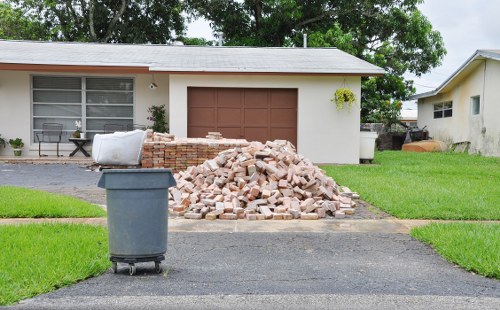
Commercial waste often contains a mix of recyclable and non-recyclable materials, so part of the value lies in treating those categories sensibly. Paper, cardboard, metal, furniture and certain clean fixtures may be suitable for different handling routes from general rubbish. Separating them where practical can make the process neater and can help avoid placing everything into one undifferentiated pile. The aim is not to turn the job into a sorting exercise for you, but to handle what can be separated in a more orderly way.
Some items require more attention than others because they are awkward, fragile or made from combined materials. A desk with metal legs, a shelving unit with mixed panels or a pile of boxed stock all call for a practical approach rather than a one-size-fits-all assumption. Where there are any items you are unsure about, keep them distinct in your description. Accuracy matters because it helps define the route the waste should take and prevents simple collections from becoming unnecessarily complicated.
Responsible disposal is also about making sensible choices before the collection starts. If equipment, files or furniture can be reused, relocated or separated from general rubbish, that is worth noting early. The service remains focused on removal, but thoughtful preparation helps ensure the work reflects the actual contents of the premises instead of treating every item as identical.
Office Furniture, Fixtures and Clearance Planning
Many business clearances involve a mixture of unwanted items rather than a single category. An office might need desks removed, a meeting room emptied and storage cupboards cleared at the same time. A retail unit might have counters, shelving and packaging to deal with together. Because of that, planning the order of removal is useful: larger items first, then loose materials, then final checks for anything left behind. That approach keeps the work more organised and reduces the chance of returning to the same space twice.
When a premises is closing, refitting or changing use, a fuller clearance can be built around the areas that matter most. Not every job needs every room emptied, and not every collection should be treated as a full strip-out. The work can be scoped to the pieces that are no longer required, which may include furniture, fixtures and everyday commercial waste. If the quantity is uncertain, outline the main rooms and item types so the quotation can reflect the likely effort more closely.
For a business, the useful question is often not just what can be removed but what should be prioritised first. That can depend on whether the space is still open, whether other contractors are due in, and whether the most urgent task is to clear walkways or empty storage. A well-organised removal plan supports those decisions without adding unnecessary complexity.
How to Prepare a Clear Quotation Request

A quotation request works best when it gives the main facts in a direct, practical form. Note the type of premises, the main categories of waste, whether items are bulky or mixed, and whether access involves stairs, lifts or loading restrictions. If there are only a few items, list them individually. If the clearance is larger, a brief room-by-room summary can be more useful than a broad description. That is usually enough to start a sensible conversation.
You do not need to over-explain the situation, but it helps to be precise about anything unusual. For example, mention if items are stacked in storage, if some materials are bagged and others are loose, or if the waste has already been gathered into a specific area. Where several decision-makers are involved, make sure the request reflects what has actually been agreed. Good detail leads to better planning, and that in turn makes the removal easier to organise from the outset.
If you would like to move ahead, use the contact route that suits you best and ask for a quotation for commercial waste removal in Camden Town. Keep the note concise, list the main items and include any access points that matter, then we can respond with the next practical step.
Commercial Waste Removal for Changing Workplaces
Workplaces do not stay the same for long. Teams grow, layouts change, stock comes and goes, and unwanted furniture or packaging can appear faster than expected. Commercial waste removal is therefore most useful when it supports change rather than adding another chore. It can help after rearrangement, before a handover, following a storage reshuffle or when a premises simply needs clutter taken away so people can use the space properly again.
The service is suited to businesses that want a practical outcome without turning the process into a major project. Some customers need a small load removed from one room, while others need a larger clear-out across several parts of the premises. In both cases, the important point is to identify the waste honestly and keep the collection focused on the material that no longer serves the business. That keeps the task clear and the quotation grounded in reality.
When you are ready, make the enquiry in your own words and request a quotation for the items that need to go. A plain description is enough to start, and it helps ensure the work is matched to the right scope from the beginning.